24 Hours
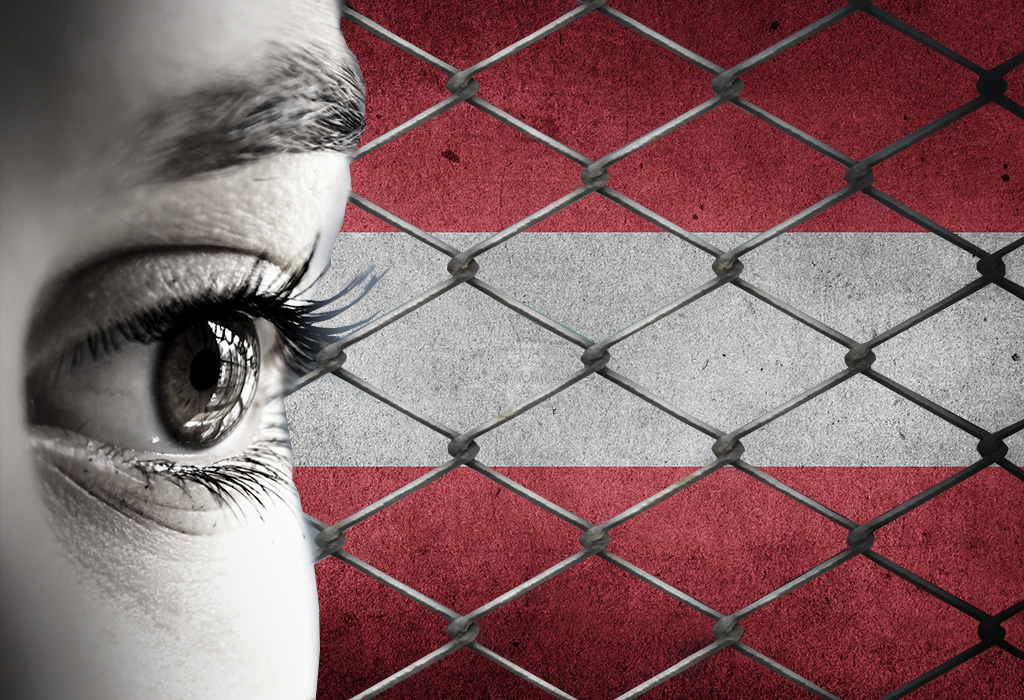
Austria will no longer accept refugees from Lesbos Island, the country's chancellor, Sebastian Kurz, said in an interview with the Bild. In his view, "little Austria" has already done more than enough for migrants.
"Austria has made a disproportionate contribution in recent years. Our country has received more than 150,000 asylum applications, in my opinion too much for small Austria, ”Kurz said.
According to him, in the coming decades, Vienna will work to remove from Austria all those who received a negative response to the asylum request and who are in the country illegally, but also at the integration of those who have been granted asylum.
Last November, Greek authorities announced plans to close three of the largest refugee camps on the islands of Lesbos, Samos and Chios.
Instead of these camps, so-called "departure and identification centers" should be erected. It is assumed that these centers will house migrants without the prospect of obtaining asylum, which will have to return to their homeland. Those with asylum requirements will be transferred to mainland Greece.
Recall that Austria received a new government in the middle of the week, consisting of the Conservative People's Party of Austria (ÖVP), Chancellors Sebastian Kurz and Greens, who are otherwise inclined to welcome all migrants.
Both sides confirmed this on Wednesday. Sebastian Kurz, who heads the ÖVP, the center-right party, should again become a federal chancellor, and the Greens should participate in the work of the federal government for the first time in Austria.
One of the surprises is the formation of an integration ministry, which is needed to address the problem of migrants who have been granted asylum. It should be taken over by Susanne Raab, a close associate of Sebastian Kurz. She was previously the head of the Office of Integration at the Ministry of Foreign Affairs and is considered a hardcore advocate. This lawyer and psychologist participated in the drafting of the Austrian Law on Islam, which defines who can preach in mosques in Austria, with the expulsion of radical preachers to their countries of origin. Kurz praised Susanne Raab as "a young and highly experienced expert in integration issues."
The Greens agreed to a firmer stance on immigration and a ban on admitting new migrants, probably because they were given a "super-ministry" covering environmental, transport, infrastructure, energy, technology and innovation issues.
According to DW, during the negotiations, both sides emphasized that there were major differences between them and that major obstacles had to be removed on the way to the coalition. While Kurz rejects new taxes, attaches importance to the anti-immigration course and wants to rule with incentives for the economy, the Greens cited climate protection, combating child poverty and greater transparency as key points.
Ultimately, a consensus was reached on the reception of migrants, as the figure of 150,000 people who have applied for asylum in a migrant wave and are known to be in Austria is indeed too high for "small Austria" as its called the country Sebastian Kurz.
Primjedbe
Objavi komentar